The Story Behind Beethoven’s Fifth Symphony
Beethoven’s Fifth Symphony stands as one of the most recognizable works in Western classical music. Its opening four-note motif has permeated popular culture, yet the symphony itself is a complex and innovative composition that reflects the tumultuous era in which it was created. Understanding the historical backdrop and the musical techniques Beethoven employed provides a deeper appreciation for its enduring presence in concert halls worldwide.
Composed between 1804 and 1808, the Fifth Symphony emerged during a period of significant personal and societal change. Beethoven was grappling with his encroaching deafness, a condition that threatened his career as a performer and composer. At the same time, Europe was embroiled in the Napoleonic Wars, and the ideals of the Enlightenment and Romanticism were shaping artistic expression. These factors influenced the symphony’s dramatic character and structural innovations.
This article explores the origins, musical features, and lasting impact of Beethoven’s Fifth Symphony. It examines how the work broke from classical conventions and set new standards for symphonic writing, while considering the various interpretations that have arisen over time. The discussion aims to provide context rather than definitive conclusions, acknowledging the multiple perspectives that inform our understanding of this masterpiece.
Historical Context and Composition
Beethoven began sketching ideas for the Fifth Symphony around 1804, shortly after completing the Eroica Symphony. The work was primarily composed in 1807 and 1808, a period when Beethoven was also working on the Sixth Symphony, the Fourth Piano Concerto, and the Mass in C major. The premiere took place on December 22, 1808, in Vienna at the Theater an der Wien, in a marathon concert that featured several of his recent compositions. The event was not without difficulties, including inadequate rehearsal time and a cold hall, yet it introduced the symphony to the public.
The political and social climate of the time was turbulent. Vienna had been occupied by French troops in 1805 and again in 1809, and Beethoven’s patrons were among the aristocracy affected by these upheavals. The symphony’s heroic tone and rhythmic drive may reflect the spirit of resistance and the revolutionary ideals that were circulating in Europe. However, Beethoven did not leave a programmatic explanation for the work, leaving its meaning open to interpretation. Some scholars suggest that the symphony embodies a personal struggle against fate, while others emphasize its abstract musical logic.
Beethoven’s deafness was progressing during this period, and by the time of the premiere, he could barely hear. This personal challenge did not diminish his compositional output; instead, it seemed to intensify his focus on the structural and expressive possibilities of music. The Fifth Symphony is often seen as a testament to his resilience and his ability to innovate despite adversity. It also marks a transition in his style, moving from the classical clarity of his earlier works toward the more expansive and emotionally charged language of his middle period.
Musical Innovations and the Famous Motif
The opening motif of the Fifth Symphony—three short notes followed by a long one—is perhaps its most distinctive feature. This rhythmic figure, often described as “fate knocking at the door,” is not merely a catchy opening but a generative cell that permeates the entire symphony. Beethoven derives much of the thematic material from this simple idea, creating a sense of organic unity across all four movements. This technique of thematic transformation was not entirely new, but Beethoven applied it with unprecedented rigor and imagination.
Harmonically, the symphony explores unusual key relationships. The first movement is in C minor, a key often associated with dramatic tension, while the finale bursts forth in C major, symbolizing triumph. The transition between the third and fourth movements is seamless, with the scherzo’s mysterious ending leading directly into the blazing finale. This linking of movements was innovative and contributed to the symphony’s dramatic arc. Beethoven also expanded the orchestra, adding trombones, piccolo, and contrabassoon to the finale, which enhanced the sonic impact.
Rhythmically, the symphony is driven by persistent, insistent patterns. The motif’s rhythmic shape appears in various forms throughout the work, sometimes inverted, sometimes extended, and sometimes hidden in accompanimental figures. This rhythmic economy creates a forward momentum that is characteristic of Beethoven’s middle-period style. The second movement, a serene Andante con moto, provides contrast with its lyrical variations, yet even there, the rhythmic drive is never far away. The third movement, a scherzo, returns to the minor mode and builds tension that is released only in the finale.
Formally, Beethoven expanded the traditional symphonic structure. The first movement is a sonata form with a lengthy coda that functions almost as a second development. The finale includes a coda that recalls themes from earlier movements, creating a cyclical effect. These structural choices were influential for later composers such as Brahms and Mahler. The symphony’s overall design balances dramatic conflict with resolution, a narrative arc that has been interpreted in many ways over the centuries.
Legacy and Cultural Impact
Since its premiere, the Fifth Symphony has held a prominent place in the concert repertoire. It was one of the first symphonies to be performed regularly and widely, and its popularity grew throughout the nineteenth century. The work influenced generations of composers, from Berlioz to Tchaikovsky, who admired its structural coherence and emotional power. In the twentieth century, it became a staple of recording catalogues and has been interpreted by countless conductors, each bringing their own perspective to its tempo, phrasing, and dynamics.
The symphony’s motif has transcended classical music, appearing in film, television, and popular songs. Its use in wartime propaganda and its association with victory have added layers of meaning that Beethoven could not have anticipated. During World War II, the motif was used by both Allied and Axis broadcasters, illustrating how music can be appropriated for various purposes. In more recent times, it has been referenced in everything from disco hits to animated cartoons, demonstrating its enduring recognizability.
For listeners today, the Fifth Symphony offers both familiarity and discovery. The opening motif is instantly recognizable, yet the symphony as a whole rewards repeated listening. Its complexities reveal themselves gradually, and its emotional range—from struggle to triumph—continues to resonate. Interpretations vary widely: some conductors emphasize its dramatic contrasts, while others highlight its lyrical moments. This flexibility is a sign of its depth and its capacity to speak across cultures and generations.
Interpretations and Performance Considerations
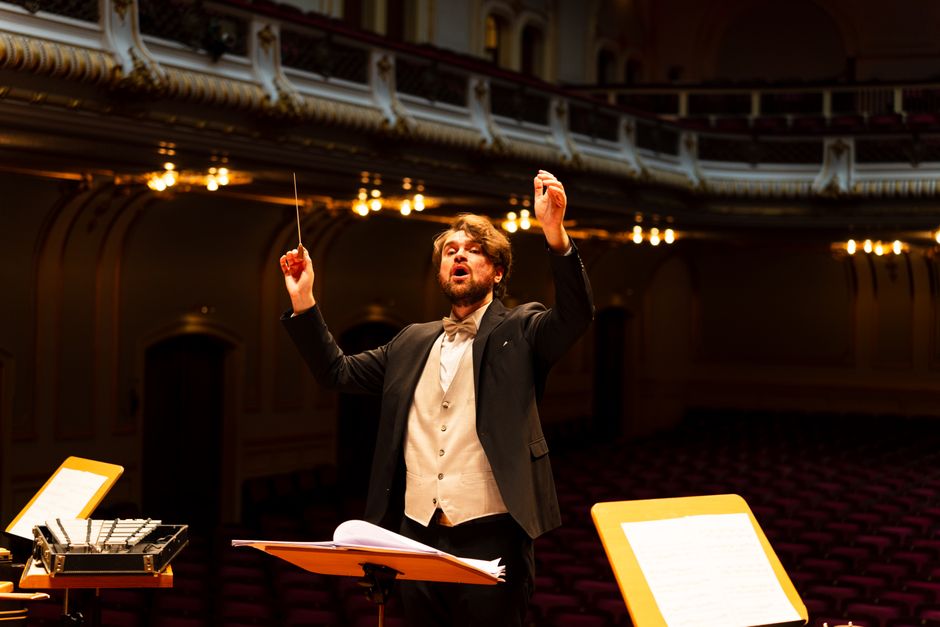
Performing the Fifth Symphony presents numerous challenges. The tempo of the first movement, for instance, has been debated: Beethoven’s metronome markings suggest a brisk pace, but some conductors prefer a more deliberate approach. The balance between sections, the articulation of the motif, and the transition between the third and fourth movements all require careful attention. Orchestras must navigate the dynamic extremes, from the softest pianissimos to the most powerful fortissimos, while maintaining clarity and precision.
Historically informed performance practices have influenced modern interpretations. Some ensembles use period instruments and smaller forces to approximate the sound of Beethoven’s time, while others favor the lush textures of a full modern orchestra. Both approaches can yield compelling results, and the choice often reflects the conductor’s artistic vision. Recordings from the early twentieth century to the present day document a wide range of interpretive choices, offering listeners a chance to compare and contrast.
The symphony also invites analytical study. Musicologists have examined its motivic development, harmonic language, and formal structure in detail. Some have proposed narrative readings, linking the work to Beethoven’s biography or to broader philosophical ideas. Others focus on its purely musical logic, treating it as an abstract construction. These varying perspectives enrich our understanding and demonstrate that the symphony continues to be a subject of scholarly inquiry.
For those new to the work, guided listening can enhance appreciation. Following the motif through its transformations, noting the shifts in mood and key, and observing the interplay of instruments can make the experience more engaging. Live performances offer a unique opportunity to witness the symphony’s physicality and the collaboration of dozens of musicians. Whether heard in a concert hall or through a recording, the Fifth Symphony remains a touchstone of the classical canon.
Conclusion
Beethoven’s Fifth Symphony is a landmark of Western music, celebrated for its innovative structure, memorable motif, and emotional depth. Its creation amid personal and historical challenges adds to its mystique, while its musical ingenuity ensures its continued relevance. The symphony invites endless interpretation, from the concert hall to the classroom, and its influence extends far beyond the world of classical music.
Exploring the story behind the Fifth Symphony reveals the complexity of Beethoven’s achievement and the many factors that contributed to its enduring appeal. By considering its historical context, musical innovations, and reception history, listeners can gain a richer understanding of why this work remains so compelling. Resonance Guide encourages an open and curious approach to such masterpieces, recognizing that each listener’s experience is shaped by their own perspective and context.